
LINDERA is a clinically validated, smartphone-based mobility analysis that gives outpatient therapy teams a measured, QA- and billing-ready eval draft in under five minutes
— objective, suggested-only, and audit-grade.

Only your PTs and OTs can perform and bill an evaluation — which makes their time the capacity ceiling of the clinic. Today that time leaks into documentation: a ten-to-fifteen-minute manual gait observation, a narrative note written from memory after the visit, standardized tests recorded as a single number with nothing objective underneath them.
The result is fewer evaluations per clinician per week, inconsistent documentation between assessments, and objective findings that live in the therapist's head instead of the chart. LINDERA closes that gap — one capture, one measured record, one suggested note the clinician verifies.
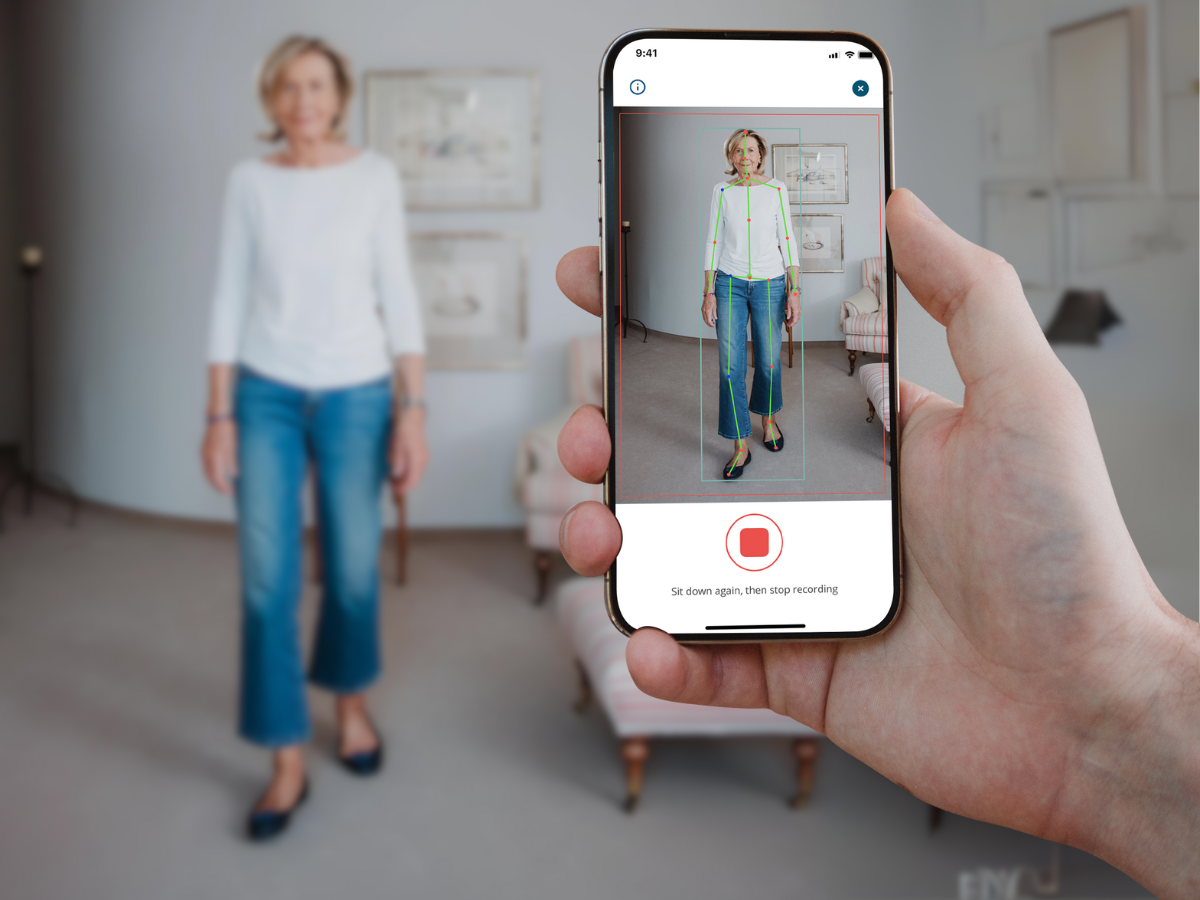
The therapist keeps clinical judgment. LINDERA provides the objective layer underneath it and writes the first draft.
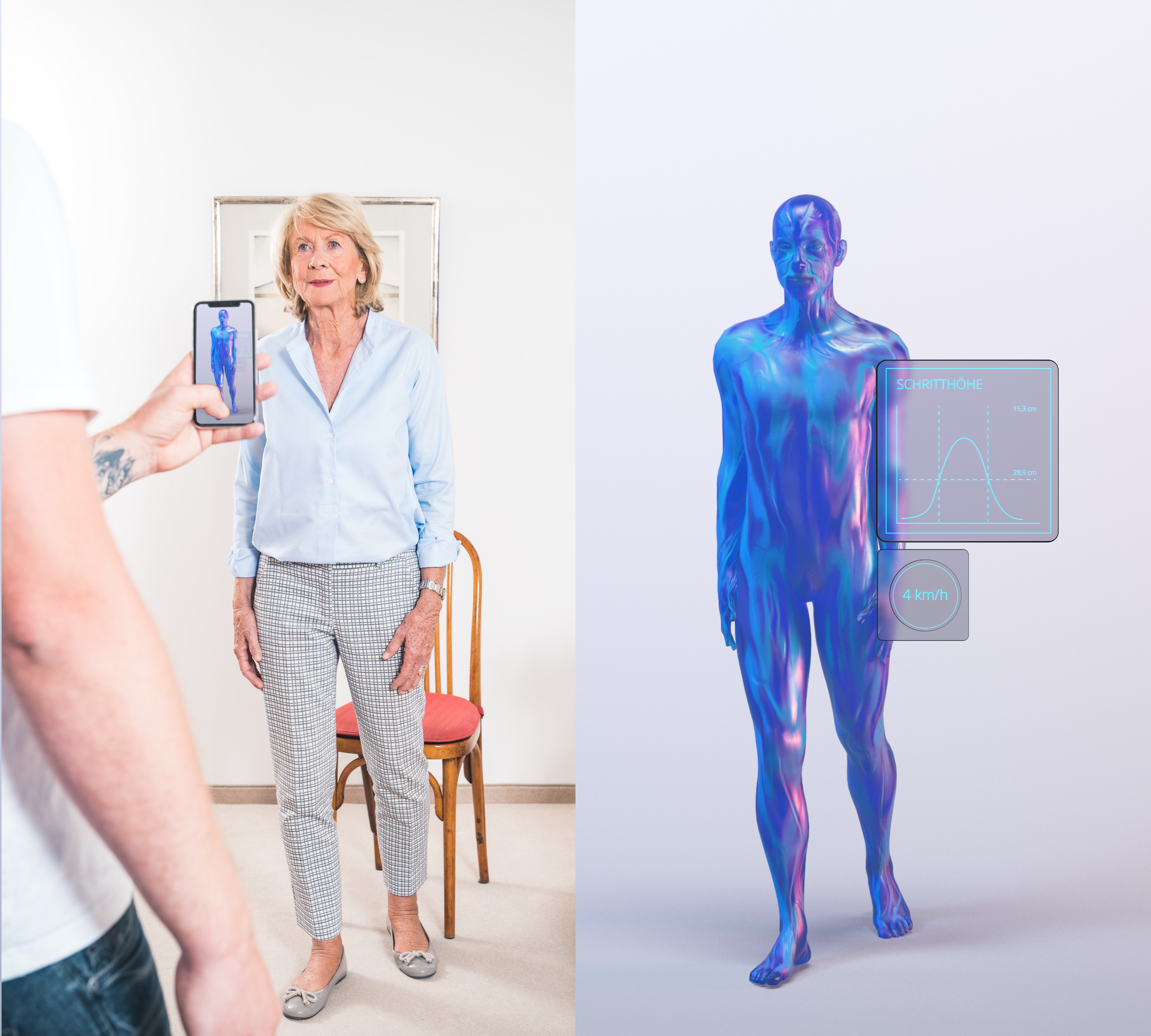
Every other AI documentation tool transcribes what was said. LINDERA grounds the note in what was measured. The named, evidence-based tests reviewers expect — Timed Up and Go, sit-to-stand, the Short Physical Performance Battery, and full gait analysis — are captured in the same session and written into the eval as objective evidence, not narrative impression.
That is the difference between a note that sounds complete and a note that is defensible: the objective measurement is in the chart, tied to the documentation field a reviewer reads.
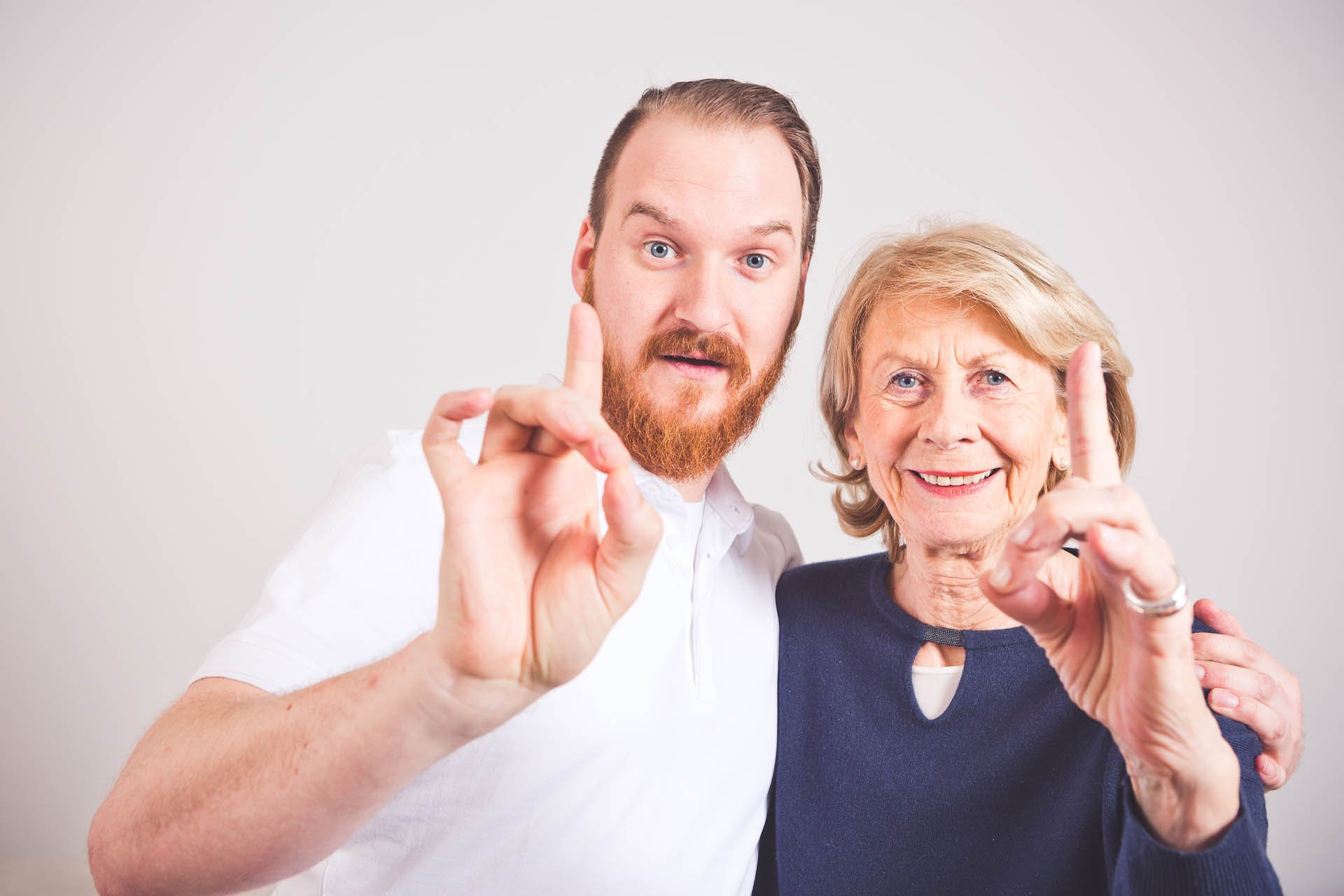
The objective data that drafts the note also becomes a clear, visual report the patient understands. The senior — and their family — sees their own gait speed, balance, and strength against age-matched norms, and watches those numbers move across the plan of care.
Progress a patient can see is progress a patient believes. Objective, visual feedback drives buy-in, motivation, and adherence in a way "you're doing better" never will — and gives the patient something concrete to take home and talk about. For an outpatient clinic, that means stronger engagement through the episode, fewer no-shows, and better-finished plans of care. No ambient scribe produces this.

Most outpatient partners see net-positive economics inside the first quarter.
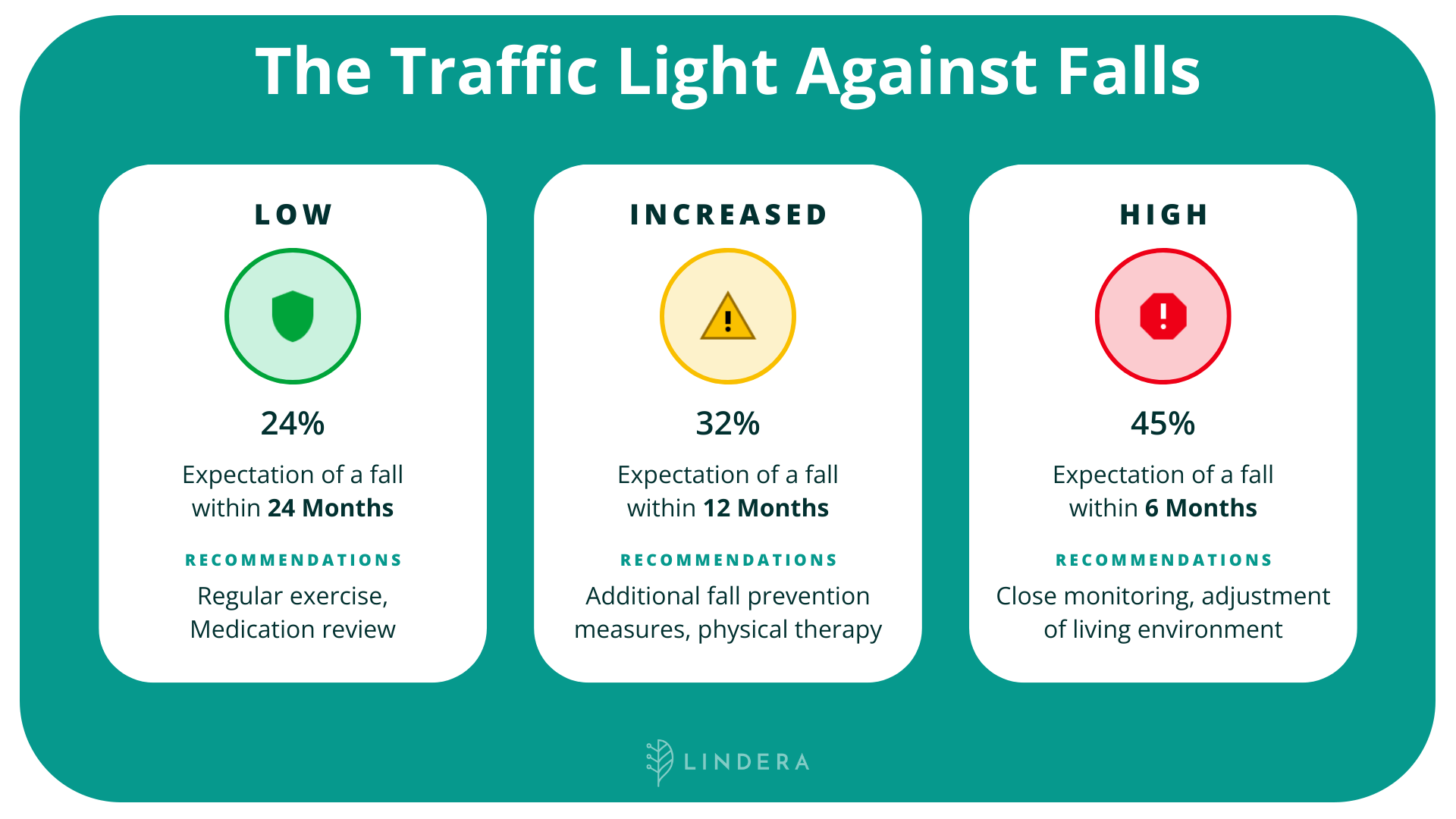
LINDERA is not a billing tool. It is the objective measurement layer that makes outpatient therapy documentation defensible. Its output maps by descriptor to the work your clinicians do:

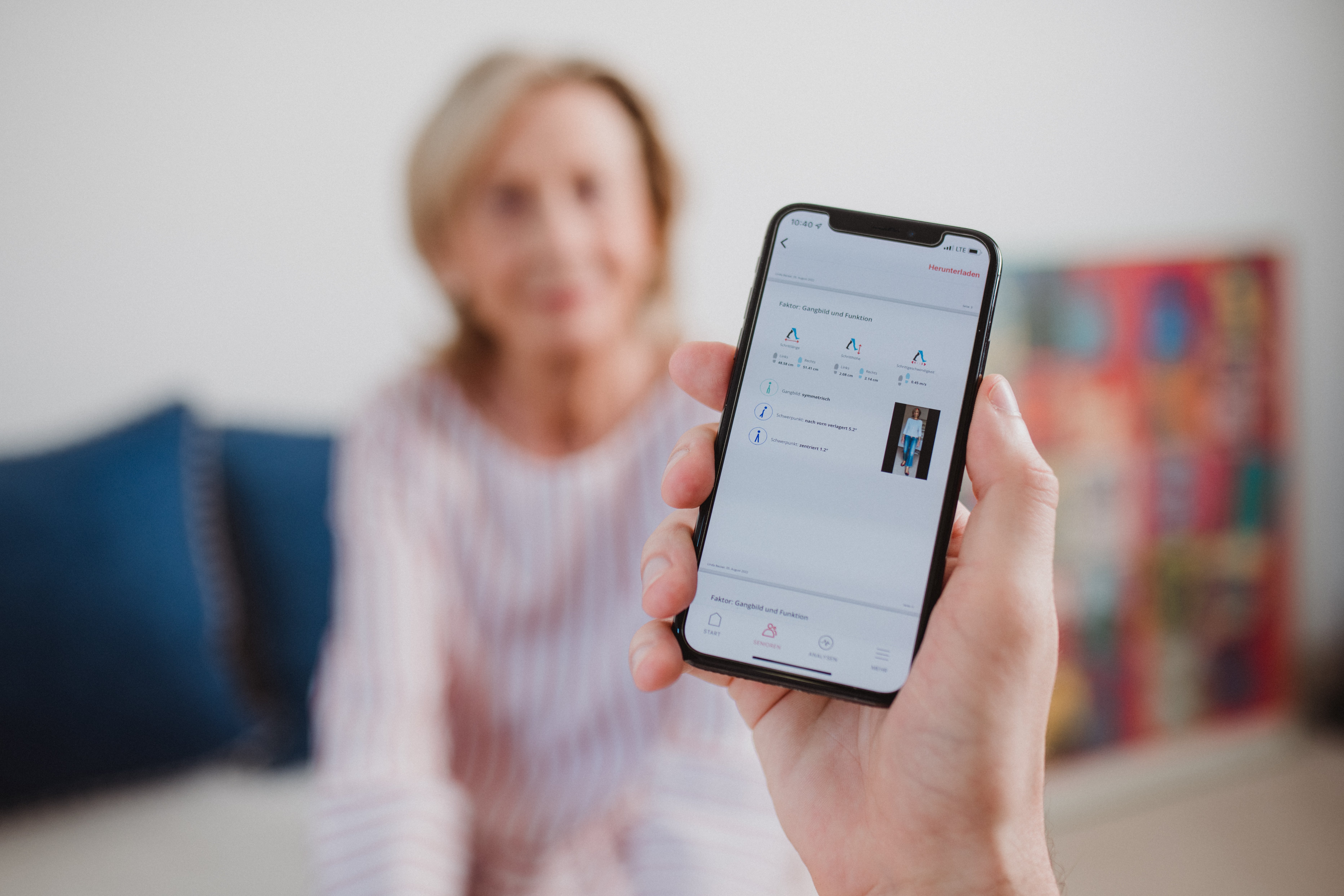
Wearable sensors need distribution, charging, and compliance. Force-plate and mat systems are capital equipment locked to one room. Manual standardized tests produce a single score with no objective data underneath. Generic ambient scribes transcribe the conversation but measure nothing and create no patient-facing evidence.
LINDERA is a smartphone app any therapist runs on the patient in the patient's own room — objective measurement, an auto-drafted note, and a patient-facing report, all flowing into the EHR. No hardware to procure, no IT integration as a precondition, no retraining beyond a single onboarding session.